 microbiology
 analytics
 medicine
 consumable
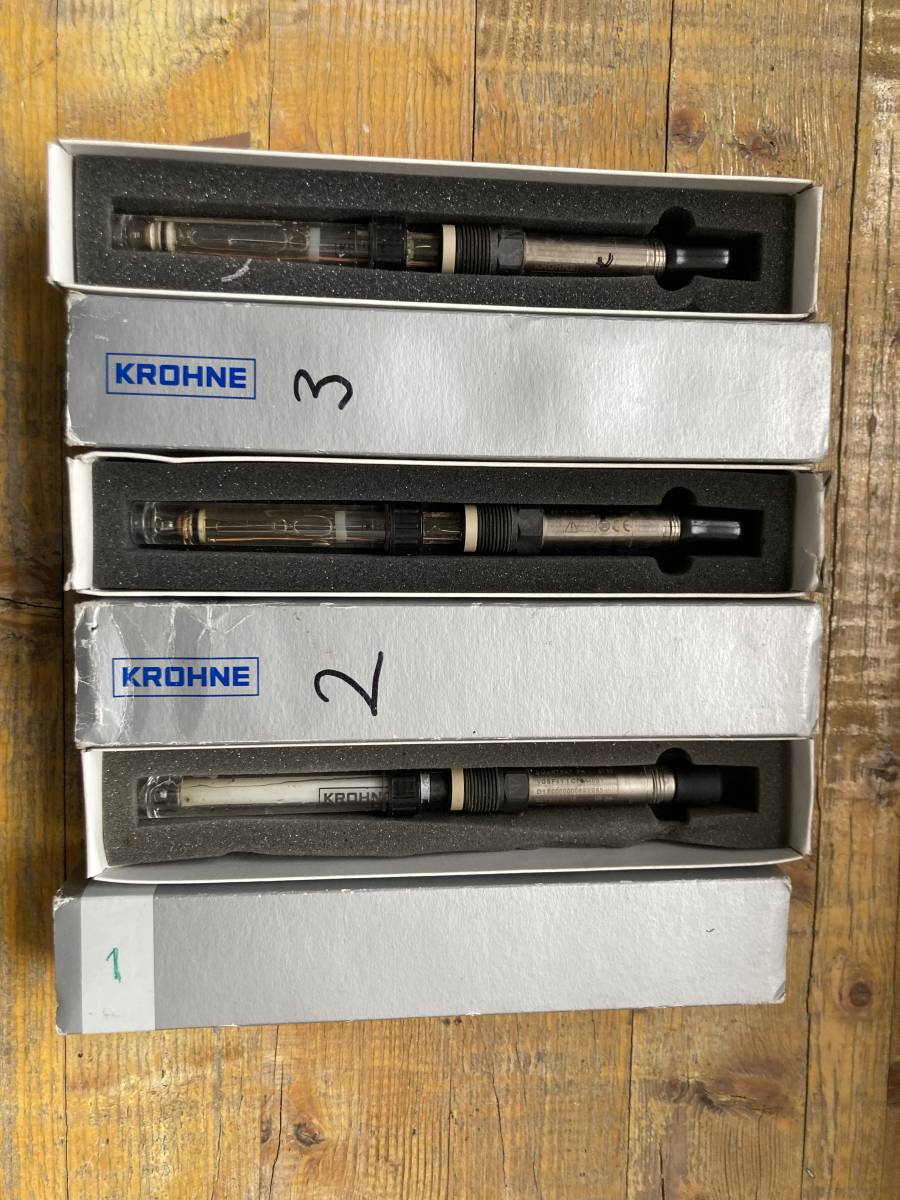
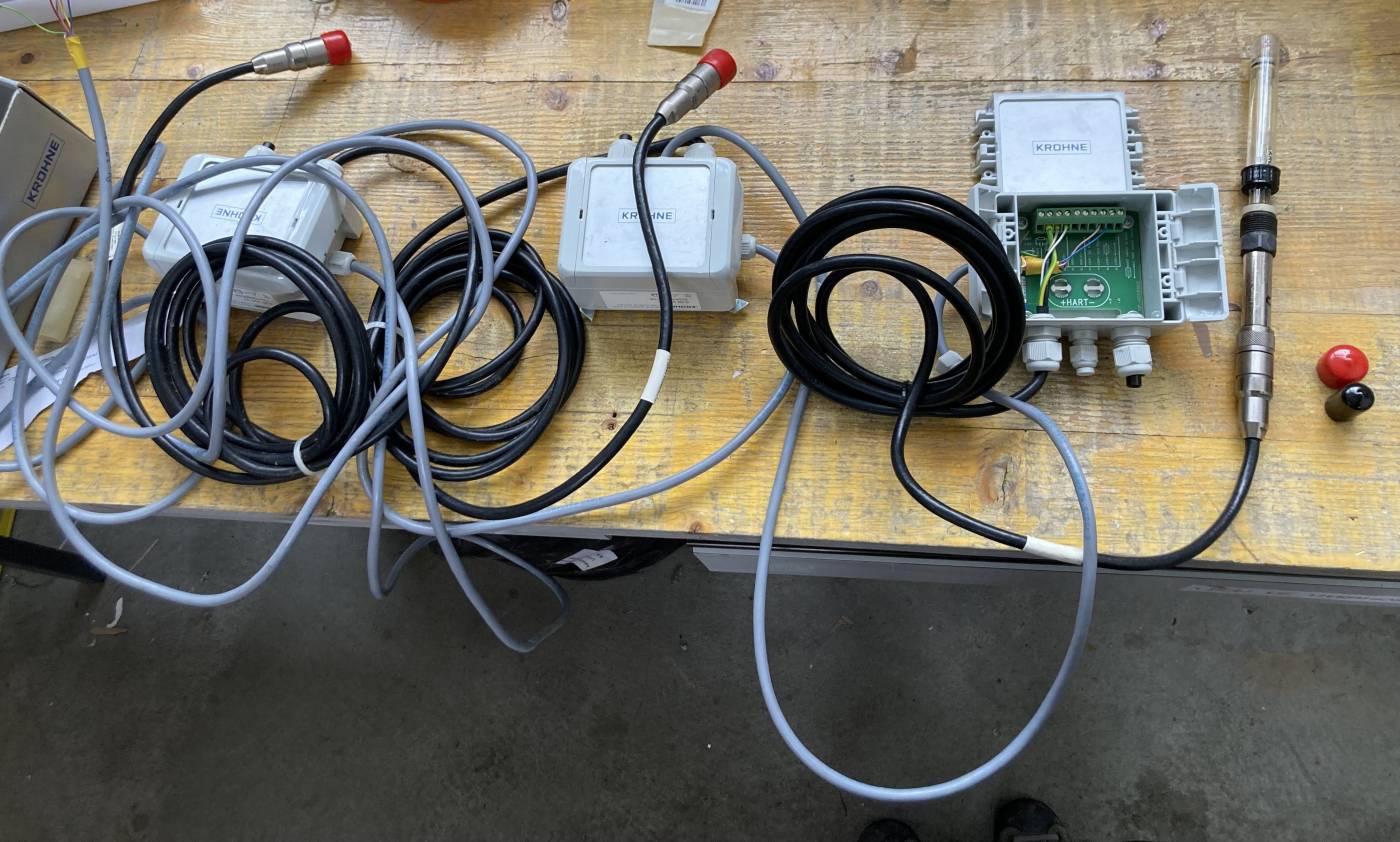
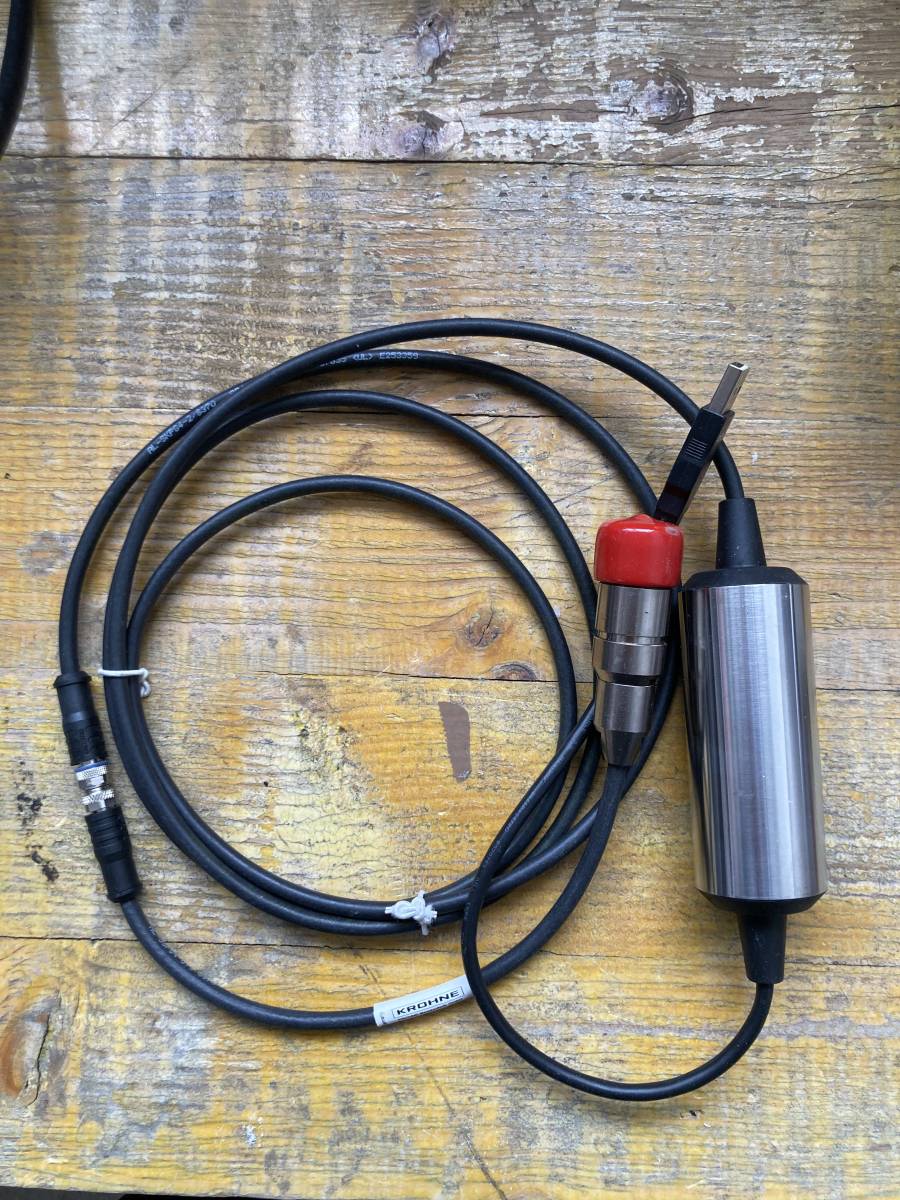
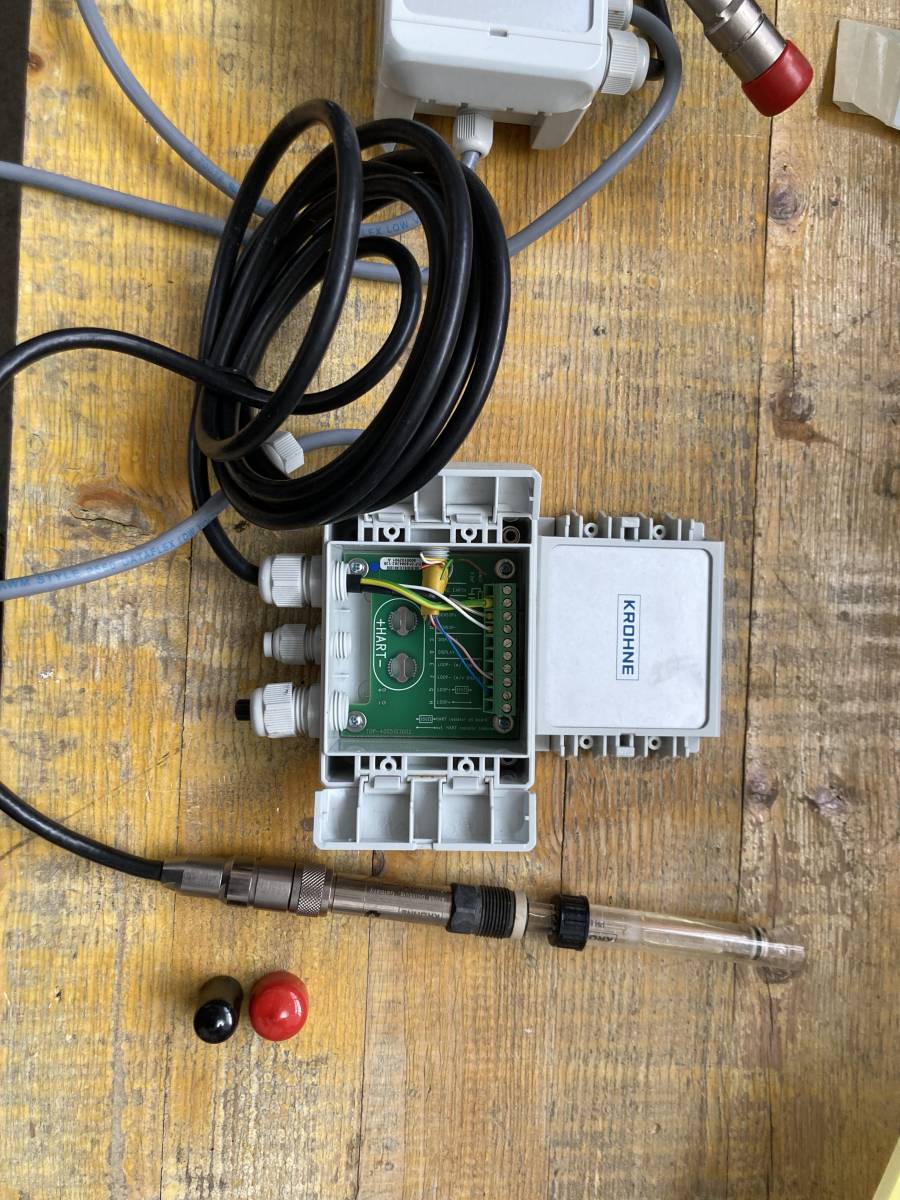
Krohne Smartpat PH 8320
Function:
The current loop-powered, 2-wire
digital pH sensors for the water and wastewater
waste water industry were
used to determine the nitrification of urine.
Other possible applications:
Monitoring of biology in wastewater
or surface waters,
process controls.
Contents:
- 3 x SMARTPAT digital pH sensor.
Installation length: 12 cm
- 3 x shielded cable VP2-S-3 with 2 leads
Length: 3 m
- 3 x SJB200 W junction box for connecting one
of a SMARTPAT sensor to a control system
Dimensions: 113x106x60 mm
- 1 x OPTIBRIDGE USB interface cable for offline
offline calibration and configuration of
current loop powered HART® devices.
UBS cable length: 30 cm, M8 cable length: 1.7 m
Additional information:
- Glass sensor has a dirt-repellent PTFE diaphragm
and integrated Pt1000 for
temperature compensation
https://de.krohne.com/de/produkte/prozessanalytik/analysesensoren-messsysteme/ph-sensoren-messsysteme/smartpat-ph-8320
Target price (negotiable):
1'200 CHF plus VAT
Sensors can also be ordered individually (1 sensor + 1 junction box) for CHF 400.00 per unit plus VAT.
If you are interested in a sensor, please contact us by email (info@labmarketplace.ch)
Sensors are offered on behalf of customers (CH-8600 Dübendorf)
CHF 1'200.00
Description of the
The SMARTPAT PH 8320 is a current loop-powered 2-wire pH sensor for water and industrial or municipal wastewater. The glass sensor is equipped with a dirt-repellent PTFE diaphragm and an integrated Pt1000 for temperature compensation. Its double reference chamber ensures a long service life. Offline calibration of the sensor is possible under controlled conditions. This saves costs by reducing on-site work for the system operator and extending the service life of the sensor.
The SMARTPAT PH 8320 is part of the SMARTPAT product family - the first sensor series on the market with an integrated transmitter including fieldbus communication (HART® 7) and current output. This genuine open standard enables direct connection of the sensor to the process control system. Unlike other pH sensors on the market, no external transmitter is required for this. This significantly reduces the acquisition and maintenance costs of the entire measuring point.